If there is a common thread running through all of this, from Natasha Jen to the Bauhaus, from Müller-Brockmann to Tony Smith, maybe it's this:
Systems help.
Structure matters.
But design still requires judgment.
That might sound obvious, but it is easy to forget. Especially when the work speeds up. Especially when the tools get better. Especially when the surface polish of a system starts to feel like the goal.
Polish is not the point.
Judgment is.
And judgment is not found in documentation. It does not come from a component library or a set of templates. It is something slower and quieter, built through repetition, reflection, and a willingness to see what the system cannot. It is knowing that when a pattern does not quite fit a user’s need, you adapt. When a rule gets in the way of clarity, you bend it.
When your instincts tell you something is off, even if it is technically correct, you stop and look again. In real work, these moments are constant. You make trade-offs. You leave margin. You stretch the grid just enough to let something more human through.
That is not a failure of the system. It is the point.
Design lives there: not in the final layout or the perfect alignment, but in the space between form and context. In the small decisions that build up. In the care behind the structure.
Most of what we inherit in design is formal: aesthetics, conventions, legacy tools. But what is worth carrying forward is the mindset. The patience to listen. The discretion to act. The ability to choose, again and again, what serves the work best. That is the difference between design as execution and design as authorship.
Design systems are good.Grids are good.Frameworks, models, and methodologies are good.
They help us move faster, work more consistently, build with scale in mind. But they all have an edge. A point where their usefulness ends and something else has to take over.
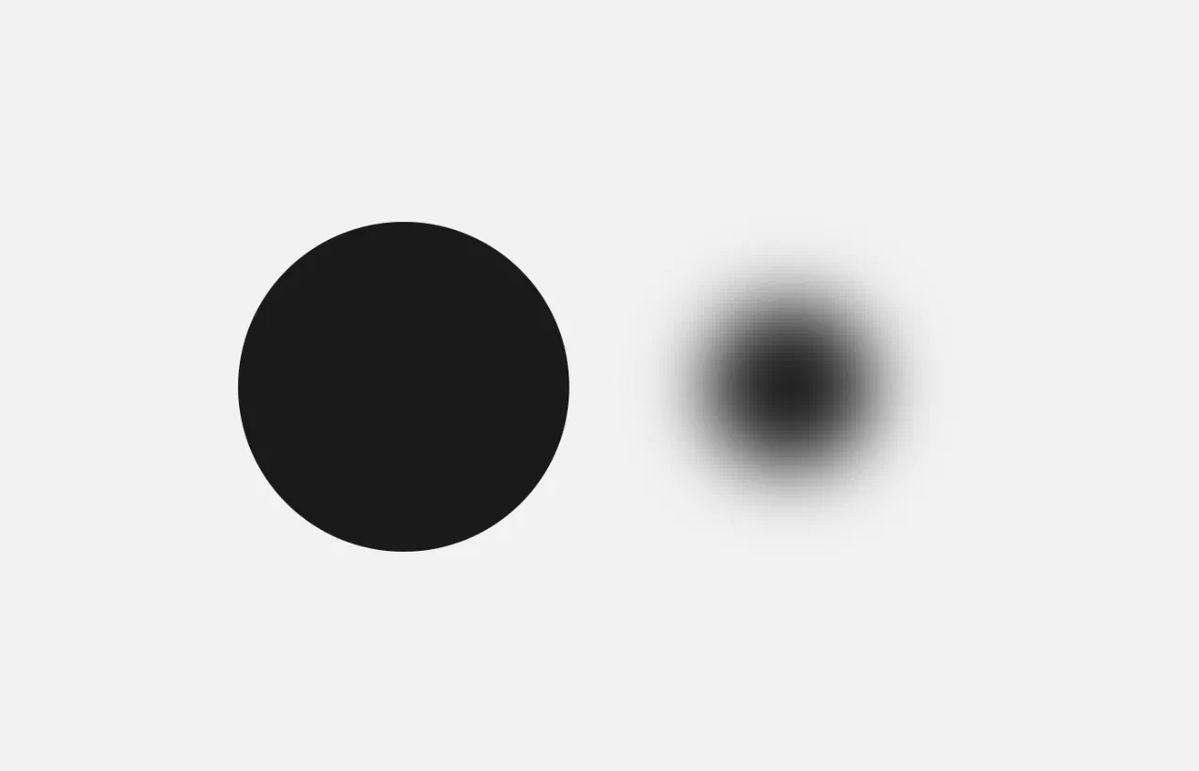

That something else is you.
It is your judgment. Your timing. Your ability to hold the structure in one hand and the context in the other, and decide which one matters more in that moment.
You cannot automate that. You cannot teach it as a checklist. It comes from paying attention. From caring about what the work actually does. From asking not just Did I use the system correctly? but Did I make the right call?
Some of the best work I have seen wasn't technically flawless. It did not follow every rule.
But it held up because someone had shown up. Someone noticed the needed nuance. Made the adjustment. Held the tension. That is the line to walk. Not between good and bad design, but between order and meaning. And it seems that's right where some really interesting work begins.